Dyslexia
The International Disability Alliance releases the 2025 Definition of Dyslexia in accordance with the human rights model of disability and the UNCRPD. As a neurodivergent IDA Bridge Kenya CRPD-SDGs training alumni, my role is to promote proper disability definitions of all disability groups most especially neurodiverse disabilities within the two policies.
“Dyslexia is a specific learning disability characterized by difficulties in word reading and/or spelling that involve accuracy, speed, or both and vary depending on the orthography. These difficulties occur along a continuum of severity and persist even with instruction that is effective for the individual’s peers. The causes of dyslexia are complex and involve combinations of genetic, neurobiological, and environmental influences that interact throughout development. Underlying difficulties with phonological and morphological processing are common but not universal, and early oral language weaknesses often foreshadow literacy challenges. Secondary consequences include reading comprehension problems and reduced reading and writing experience that can impede growth in language, knowledge, written expression, and overall academic achievement. Psychological well-being and employment opportunities also may be affected. Although identification and targeted instruction are important at any age, language and literacy support before and during the early years of education is particularly effective.”
I
LITERACY
How Dyslexia Affects Reading and Writing
This section focuses on the practical manifestations of dyslexia in everyday learning.
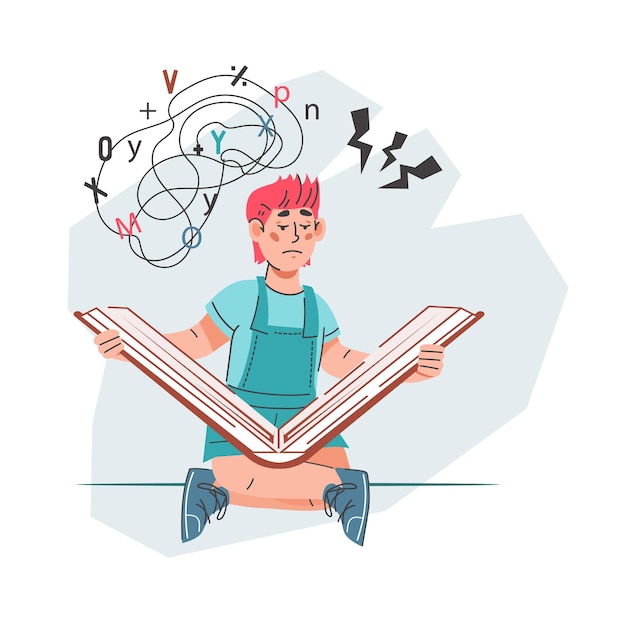
Reading Accuracy & Speed: Persistent challenges with reading words correctly or at a typical pace. These difficulties often vary depending on the complexity of the spelling system (orthography).
Spelling and Decoding: Underlying struggles with phonological processing (identifying sounds) and morphological processing (understanding word structures).
Instructional Resistance: These literacy gaps often persist even when the individual receives the same standard instruction that works for their peers, requiring a more tailored approach.
I
ORIGINS
The Complex Causes of the Condition
Understanding that dyslexia is a neurobiological reality, not a lack of effort.
Neurobiology and Genetics: Dyslexia involves a combination of genetic influences and unique brain wiring that handles language and symbols differently.
Developmental Interaction: The condition is shaped by how these biological factors interact with a person’s environment and learning opportunities throughout their life.
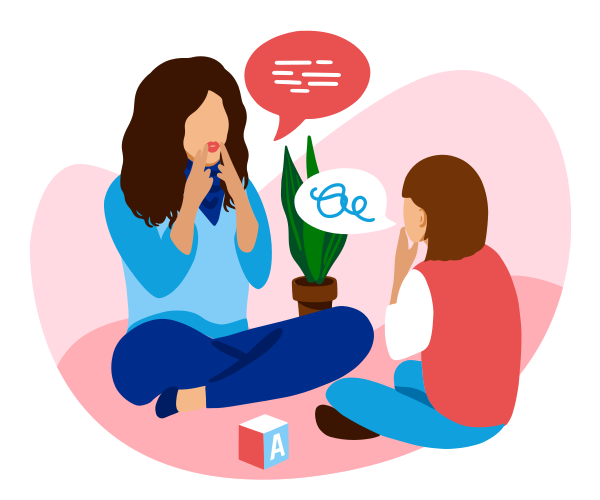
Early Indicators: Early oral language weaknesses, such as difficulty with rhyming or following multi-step verbal directions, often foreshadow literacy challenges before school starts.
I
CHALLENGES
The Ripple Effect on Life and Well-being
Dyslexia impacts more than just schoolwork; it affects the whole person.
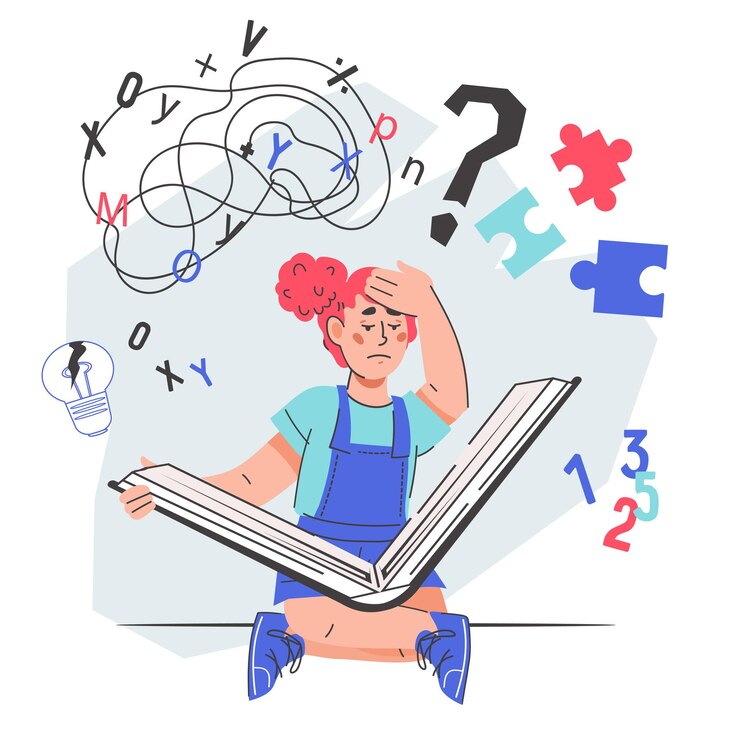
Academic and Knowledge Gaps: Reduced experience with reading can impede the growth of vocabulary, general knowledge, and written expression, making it harder to keep up in other subjects.
Psychological Well-being: Constant struggle without the right support often leads to secondary consequences like anxiety, low self-esteem, and a sense of exclusion.
Future Opportunities: If left unsupported, these challenges can affect employment opportunities and a person’s ability to participate fully in society as an adult.
I
STRATEGY
Rights-Based Support and Intervention
Focusing on the effective pathways to ensure every individual can thrive.
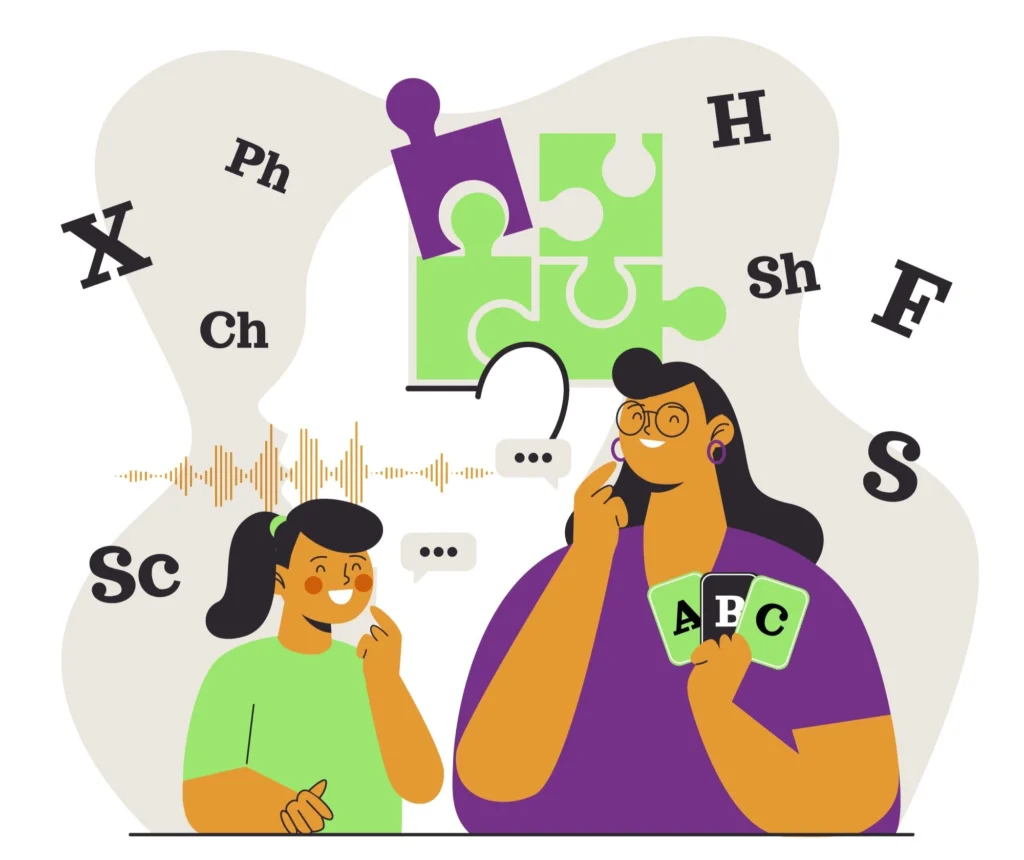
Targeted Instruction: The most effective support involves evidence-based, specialized instruction that is specifically designed for the individual’s unique learning profile.
The Power of Early Support: Providing literacy and language intervention before and during the early years of education is significantly more effective than waiting for “failure” to occur.
Lifelong Rights: In line with the UNCRPD, identification and support are essential human rights at any age. Whether in childhood or adulthood, the right to accessible information and literacy support is fundamental.
Your Action Plan & Resources
Finding Professional Support
Use our specialized directory to connect with practitioners: