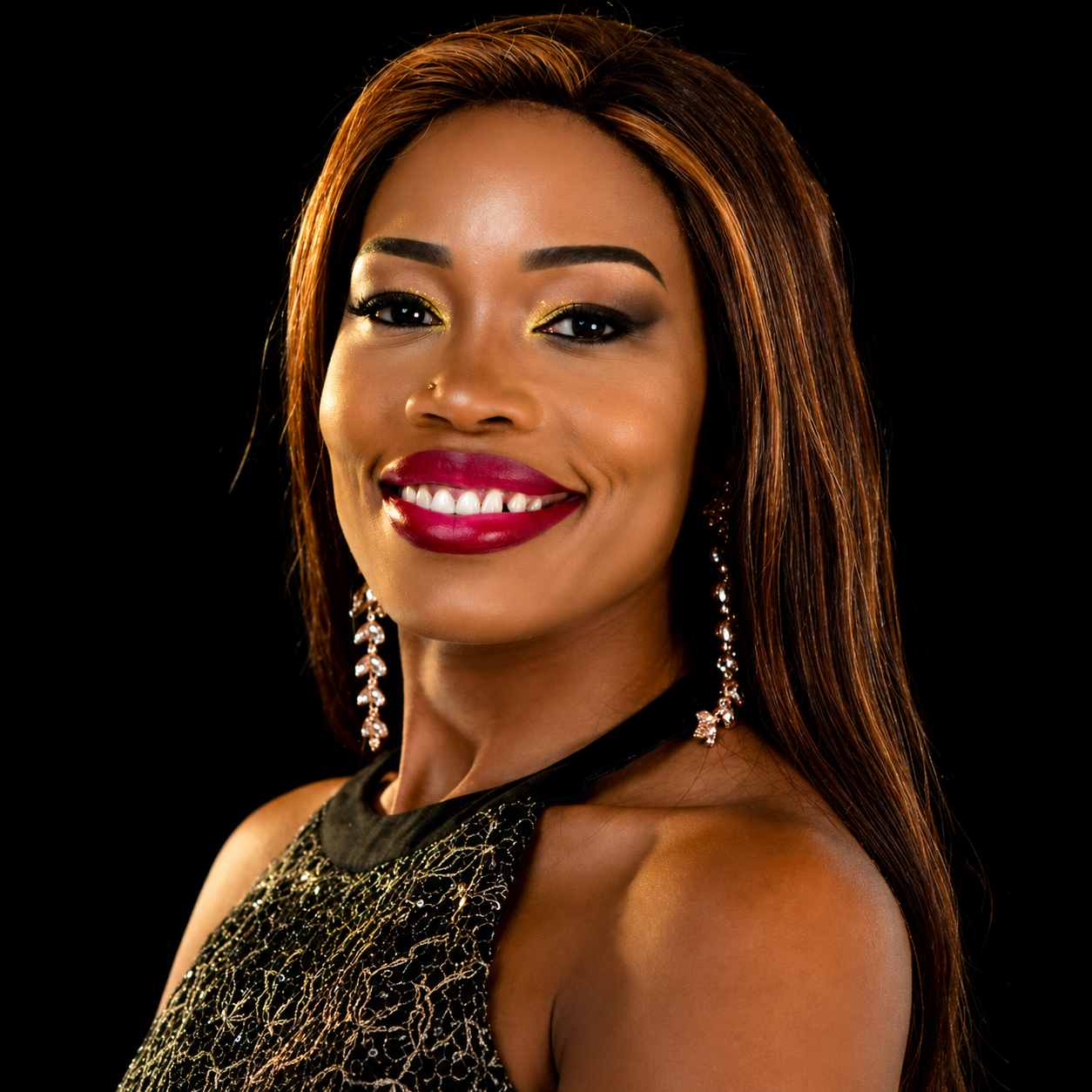
Dr Sylvia Mochabo Akinsiku
Dr Sylvia Moraa Mochabo-Akinsiku is a Kenyan neurodivergent leader, social entrepreneur, researcher, designer and disability-inclusion advocate. Living with AuDHD and an anxiety disorder, while raising two neurodivergent sons with complex support needs, her journey is one of extraordinary resilience, courage and purpose.
Her entry into advocacy began with motherhood. While searching for appropriate therapy, education, medical care and social support for her children, she encountered the barriers faced by many African families: stigma, delayed identification, fragmented services, high intervention costs and schools that were not equipped to include neurodivergent learners.
During some of her most difficult seasons, she had to be a mother, first responder, care coordinator, advocate and entrepreneur all while navigating her own sensory, emotional and executive-function challenges.
Instead of allowing these experiences to silence her, she began asking:
How can we make this journey easier for the next neurodivergent person and the next family?
That question became her mission.
In 2019, she founded Andy Speaks 4 Special Needs Persons Africa, transforming her family’s lived experience into an integrated neuro-inclusion ecosystem. Under her leadership, the organisation has developed:
Nexus Therapy Centres for habilitation, rehabilitation and early intervention.
Special Needs Resource Hub for assistive technology and inclusive-space development.
NeuroRehub a digital platform connecting families to information, care tools, services and community support for caregiver training, institutional capacity building and transition-to-work programmes.
Akinsly Publishing Hub for inclusive books, storytelling and educational resources
Her initiatives including Ride 4 Autism Africa, NeuroCaravan, NeuroMainstreaming, NeuroThrive, FutureLinks, A Seat for Her, NeuroDigest and Sports 4 Autism have advanced awareness, intervention, caregiver empowerment and practical inclusion across communities.
Through this work, thousands of persons with disabilities and caregivers have accessed outreach services, therapy, assistive products, educational support and reliable information. More than 5,000 assistive products have been supplied through the wider ecosystem, while linked education programmes support approximately 2,000 learners annually. NeuroReHub has recorded more than 30,000 portal interactions, extending support beyond physical service locations.
Dr Sylvia has also contributed to national and international disability leadership. She served as a Board Director of Kenya’s National Council for Persons with Disabilities and has participated in policy and technical engagements addressing rehabilitation, inclusive education, autism, developmental disabilities, assistive technology and social protection. Her work has included engagement with the World Health Organization’s World Rehabilitation Alliance and partnerships across government, academia, civil society, faith institutions and the private sector.
In 2026, she celebrated another defining milestone with her first scientific publication in BMJ Paediatrics Open Lived experience in advocacy: driving early intervention for autism and developmental disabilities through access, support and assistive technology in Kenya. The publication affirmed a truth at the centre of her work: African lived experience is knowledge and must help shape research, services and policy.
Before entering disability leadership, Dr Sylvia built a multidisciplinary career spanning graphic design, branding, communications, public relations and entrepreneurship. She trained in graphic design, studied commerce and management at the University of Nairobi and pursued further learning in autism, ADHD, leadership and public-sector governance. She has also received an honorary doctorate and recognition through autism, inclusion, entrepreneurship and changemaker platforms. Behind these achievements is a deeply human story. Dr Sylvia has built organisations while coordinating therapy, responding to seizures, navigating hospital admissions and managing anxiety and neurodivergent burnout. Her resilience does not mean that these experiences have been easy. It means she has continued to adapt, rebuild and lead without hiding the realities of her journey.
She embraces the strengths within her neurodivergence: creativity, empathy, intense focus, pattern recognition and the ability to connect ideas across sectors while openly acknowledging the challenges. Dr Sylvia is an AfroNeuro Hero because she has turned personal struggle into systems of support for thousands of others. She challenges the belief that disability is inability, that caregivers are only recipients of help, or that neurodivergent African women cannot build enterprises, influence policy and shape research.
Her story carries a powerful message:
A different mind is not a lesser mind. Lived experience carries knowledge, adversity can awaken purpose, and one person’s determination can create a pathway for an entire community.
Her journey continues from lived experience to advocacy, from advocacy to action, and from action towards an Africa where neurodivergent people are recognised not only for their support needs, but also for their ideas, abilities, leadership and limitless potential.