


Caregiver resource developed during the COVID-19 pandemic
Supporting Children with Disabilities at Home
Explore practical ways to support your child’s routines, comfort, play and connection—while making space for your own wellbeing as a caregiver.
Based on a 16-page illustrated guide with Kenya Ministry of Health branding. Pandemic-specific recommendations should be checked against current local guidance and your child’s healthcare advice.

Illustration from the original guide
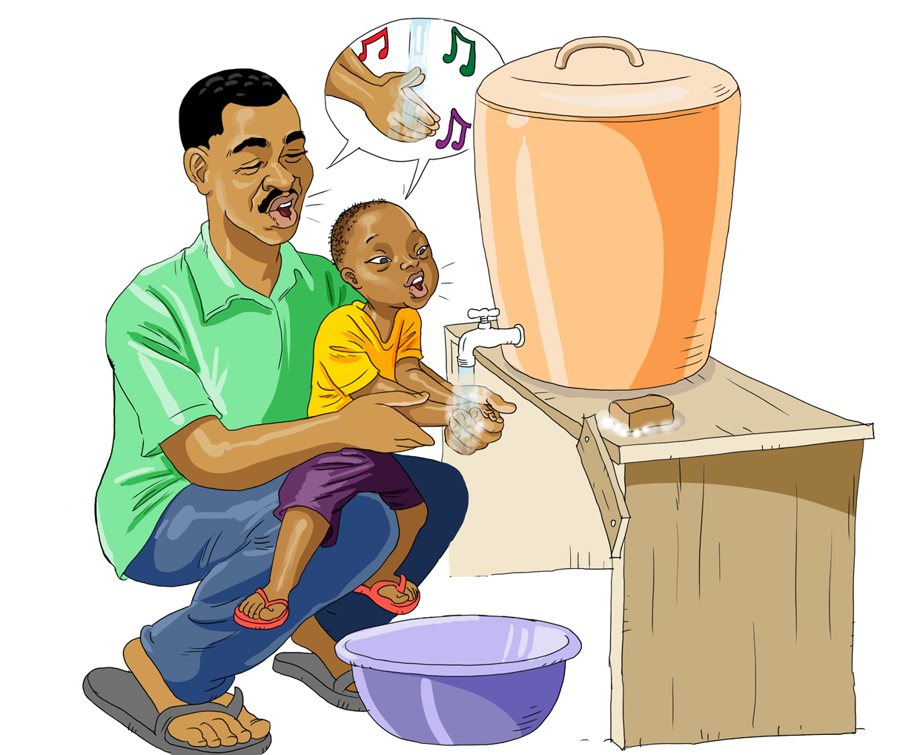
Illustration from the original guide (illustrator credited in the PDF: Zacarias Chemane)
EVERYDAY CARE
Make Everyday Care Easier
Small, familiar habits can make care feel calmer for both of you. Adapt each idea to your child’s needs.
Handwashing together
Help your child wash their hands, or show them the steps one at a time. A favourite song can make it a habit.
A comfortable, clean space
Keep the area where your child spends time clean and well ventilated, and clean toys and supportive equipment such as wheelchairs, walkers or glasses.
A trusted adult
Arrange for a trusted adult to be with your child if you need to go out, and share their routines.
APPOINTMENTS AND OUTINGS
Prepare for Appointments and Outings
A little preparation can make healthcare visits less stressful. Follow the facility’s instructions.
- Explain what will happen in simple words, with pictures or gestures if they help.
- Bring familiar items such as a favourite toy, comfort object or communication aids.
- Plan suitable support for waiting, such as a mat to sit on and homemade toys or quiet activities.
- Follow the facility’s instructions on hygiene, protective equipment and where to wait.
Routine care still matters. The guide encourages keeping check-ups and vaccinations. Ask your child’s healthcare team what is currently recommended.
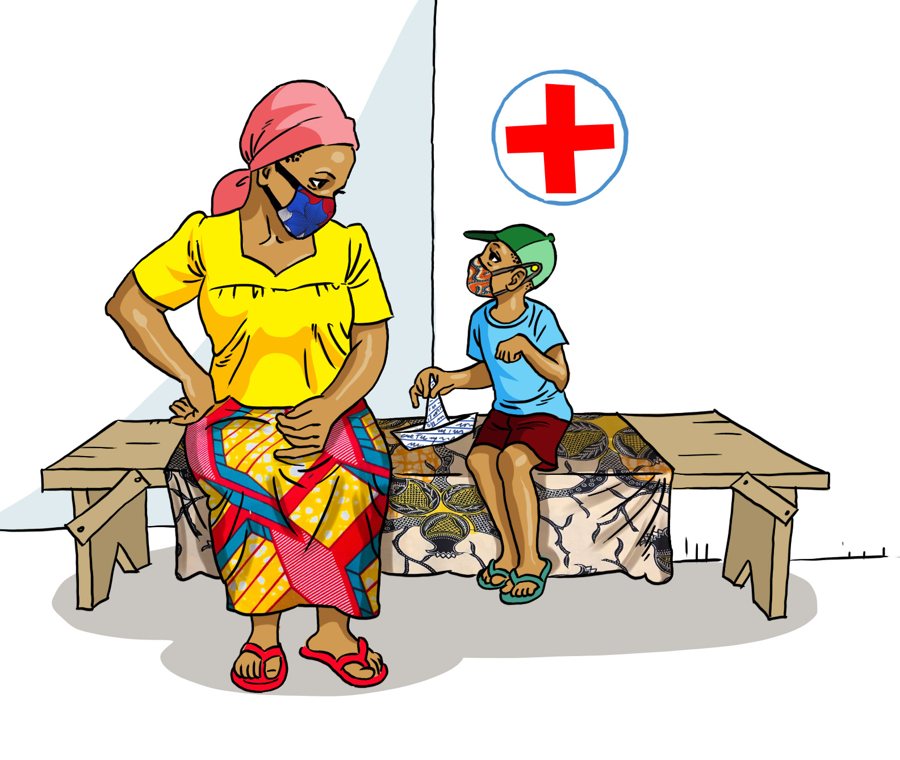
Illustration from the original guide, set in a health centre during the pandemic. Masks shown reflect the guide’s period.
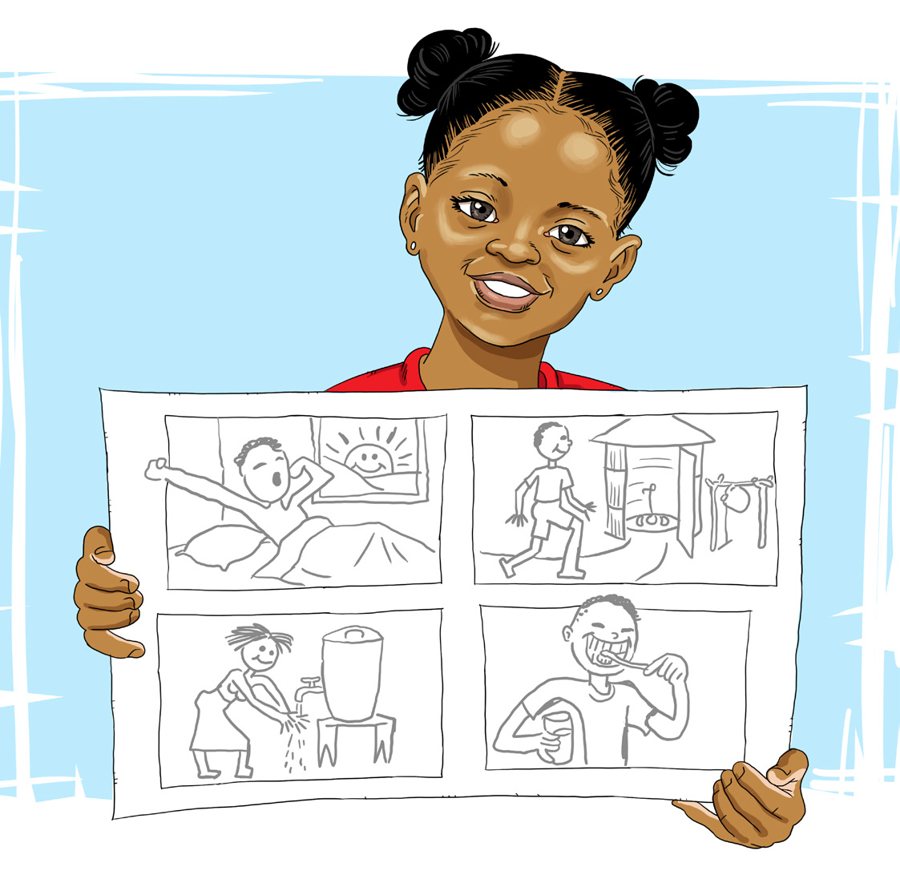
Illustration from the original guide (illustrator credited in the PDF: Zacarias Chemane)
FAMILIAR ROUTINES
Keep Familiar Routines
Routines such as eating, playing and praying help many children feel safe, especially when things change.
1
Explain changes early
Tell your child in advance, in a way they understand, when something will be different.
2
Use simple pictures
Quick drawings of the day’s activities can show what comes next.
3
Offer a choice
Let your child pick between two activities, using pictures, gestures or their usual way of communicating.
CALM MEALTIMES
Make Mealtimes Calm
Eating should feel comfortable and unhurried.
Comfort first
Talk or sing gently, and make sure your child is comfortable and well supported while eating.
Patience
Go at your child’s pace. Never force a child to eat or swallow.
Watch their responses
Notice when your child has swallowed and is ready for more, and when they are tired or uncomfortable.
Follow your child’s feeding plan. The booklet includes feeding positions and timings from its period. Because needs differ, check feeding, positioning and any gum or mouth techniques with your child’s own healthcare professional.

Illustration from the original guide (illustrator credited in the PDF: Zacarias Chemane)
PLAY AND LEARNING
Make Time for Play and Learning
Play is a way to connect. Choose what fits your child’s age, interests and abilities, and supervise as needed.
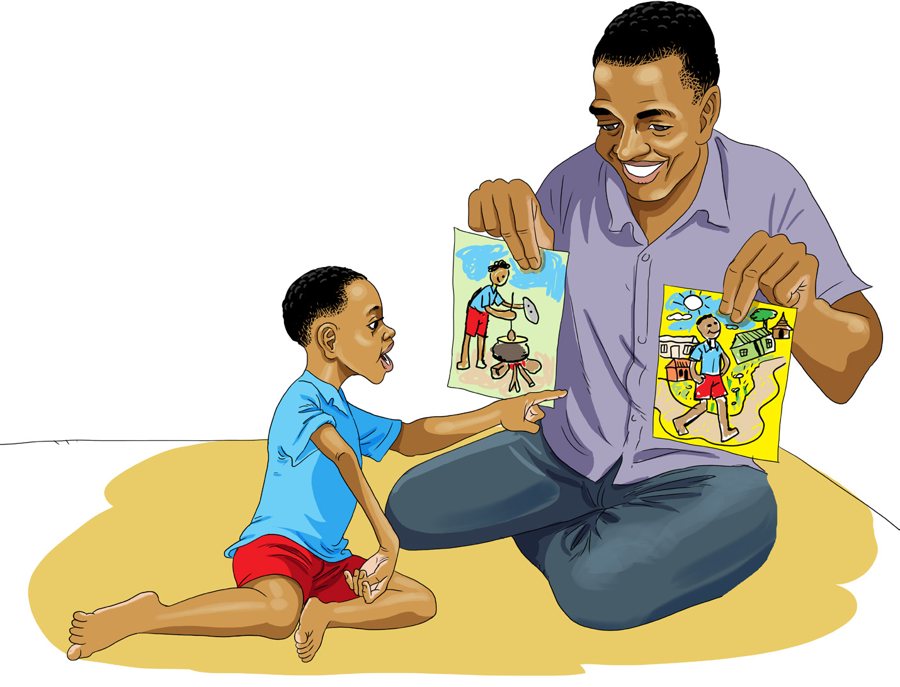
Illustration from the original guide (illustrator credited in the PDF: Zacarias Chemane)
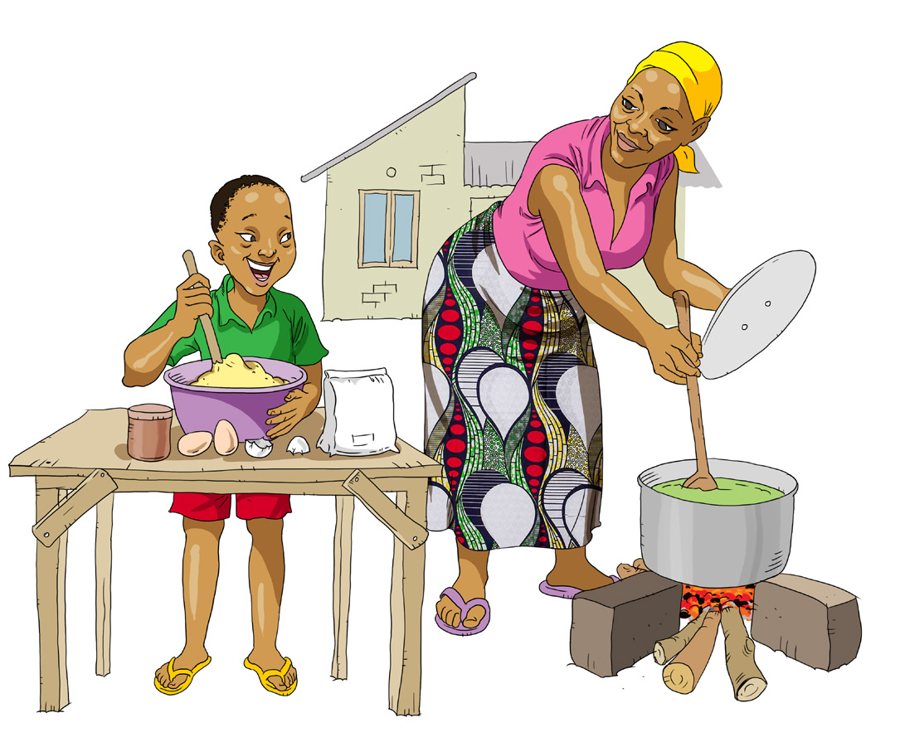
Illustration from the original guide (illustrator credited in the PDF: Zacarias Chemane)
Look at pictures
Share pictures from boxes, bags or books and talk, point or gesture about them together.
Draw and share
Draw on paper or in the sand, then show each other your drawings, using gestures if helpful.
Explore familiar objects
Offer an object to feel and name or guess, if the child enjoys it.
Play simple games
Use homemade toys or things you already have. Watch what your child enjoys and do more of it.
Small steps
Break a task, such as putting on a shirt, into steps. Practise often and praise effort.
Help at home
Invite your child to help with a suitable household activity, such as stirring, with supervision.
Keep going with what the team has taught. Continue the exercises and activities your child’s healthcare, therapy or school team have recommended. This page does not promise any particular outcome.
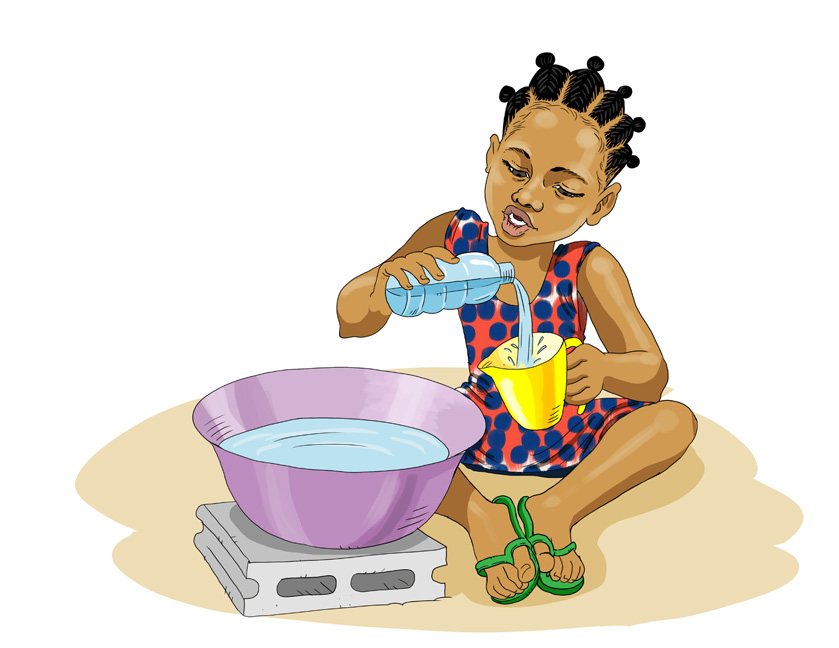
Illustration from the original guide (illustrator credited in the PDF: Zacarias Chemane)
COMFORT AND CONNECTION
Support Comfort and Connection
When your child seems upset, a calm approach can help. Every child finds different things soothing.
- Offer a quieter space and give your child time to settle before talking.
- Try familiar, gentle activities, such as looking at plants or playing with water or sand in a bowl, if your child enjoys them.
- Use communication that suits your child: words, gestures, pictures or their usual method.
- Respect their preferences about touch, textures and sounds. Some children dislike touch or messy play, and that is fine.
LOOKING AFTER YOU
Care for the Caregiver
Your wellbeing matters too. Asking for help is a normal part of caregiving.
- Rest when you can, even briefly.
- Eat regularly and drink water.
- Accept trusted help from time to time.
- Stay in touch with a friend or family member when you feel lonely or low.
- Do something you enjoy each day, however small.
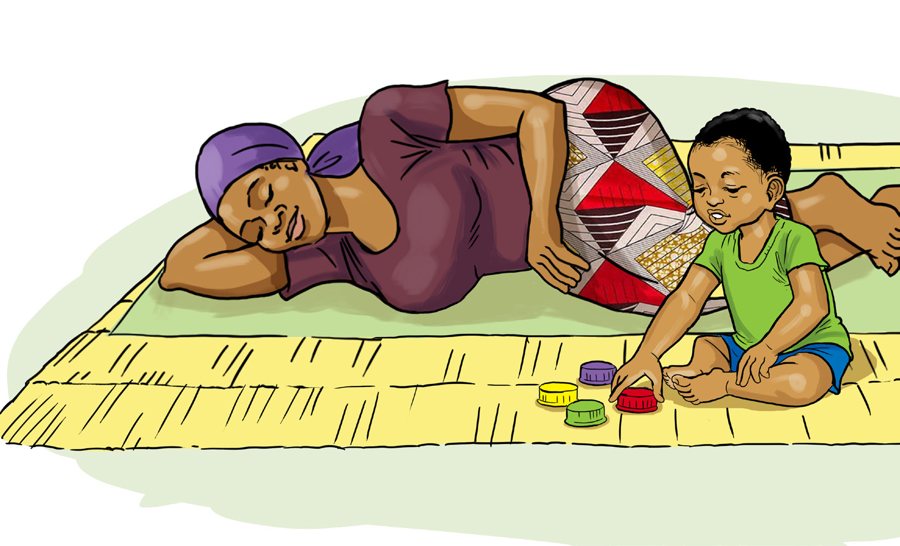
Illustration from the original guide (illustrator credited in the PDF: Zacarias Chemane)
SHARING CARE
When Someone Else Helps With Care
A short conversation before you step away helps your child feel secure. This is guidance to read, not a form to fill in online.
- Familiar routines: the usual order of the day, mealtimes and bedtime.
- How your child communicates: words, gestures, signs or pictures, and how they show choices, needs and discomfort.
- Comfort items and favourite activities: what helps them settle, and what to avoid.
- Agreed care instructions: anything already agreed with your child’s professionals, such as feeding, positioning or medicines.
- Who to contact: a way to reach you and who to call if help is needed.
Keep personal medical details to those who need them, and share only what is appropriate.
READ WITH CARE
This Is a Pandemic-Era Resource
The original booklet reflects advice at the time. Please don’t treat all of it as current rules.
What we left out
Some pandemic-specific instructions are not repeated here, including stay-at-home and mask requirements, stockpiling medicine, fixed feeding or repositioning schedules, particular feeding positions and a single screen-time limit for all children.
Ask the people who know your child
For medicines, feeding, positioning or therapy, follow your child’s existing care plan and advice from their healthcare professionals.
Masks
Advice about children and masks depends on age, circumstances and individual needs, including difficulty wearing them because of disability. See the WHO/UNICEF guidance on children and masks, a pandemic-era source whose date you should check on the page.
For COVID-19 information today, see the WHO COVID-19 fact sheet, which covers prevention, symptoms and when to seek medical attention. Check current local public-health advice too. The booklet’s 719 information line details are not repeated because their current availability has not been verified.
THE ORIGINAL
Explore the Original Illustrated Guide
The full booklet is unchanged.
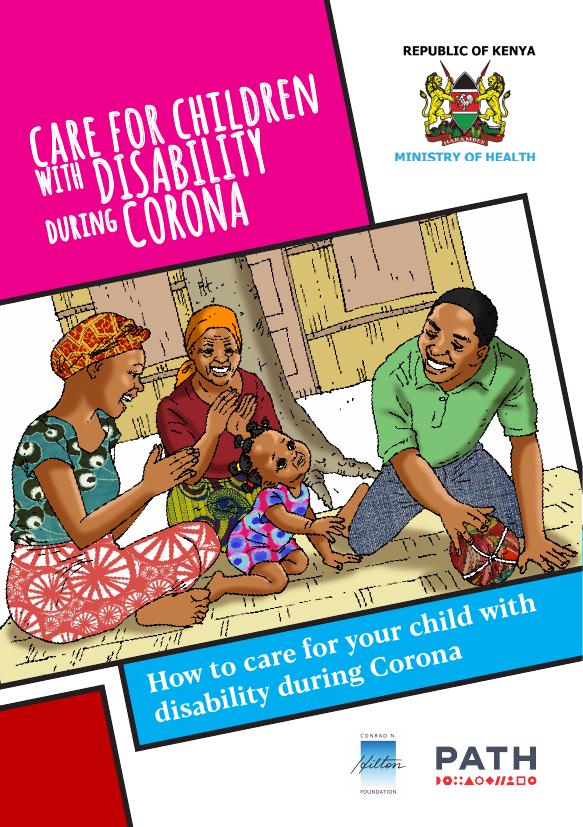
Cover of the original guide
Care for Children with Disability During Corona
How to care for your child with disability during Corona
Kenya Ministry of Health caregiver resource · Pandemic-era guidance · 16-page PDF
The cover shows Kenya Ministry of Health branding and PATH. The guide credits clinicians and specialists as contributors and names its illustrator. Logos are shown in their source context only and do not mean those organisations endorse NeuroReHub. The publication date is not stated.
Before you open it
This booklet was developed during the COVID-19 pandemic. Some health instructions and contact details may have changed. Follow current local public-health advice and your child’s individual care plan.
The PDF is about 18 MB and opens only when you choose to.
NEXT STEPS
Support for Your Child. Support for You.
Explore more practical resources for everyday learning, communication and caregiver wellbeing.