
Autism Spectrum Disorder (ASD)
Autism is a developmental difference in the way the brain is wired, primarily impacting social communication, interaction, and sensory processing. Following the neurodiversity model, we recognize Autistic individuals possess unique strengths, such as exceptional pattern recognition, attention to detail, and deep, focused interests. This hub provides resources focused on accommodations, communication support, and fostering self-advocacy.
I
NEUROTYPE
Understanding the Autistic Neurotype
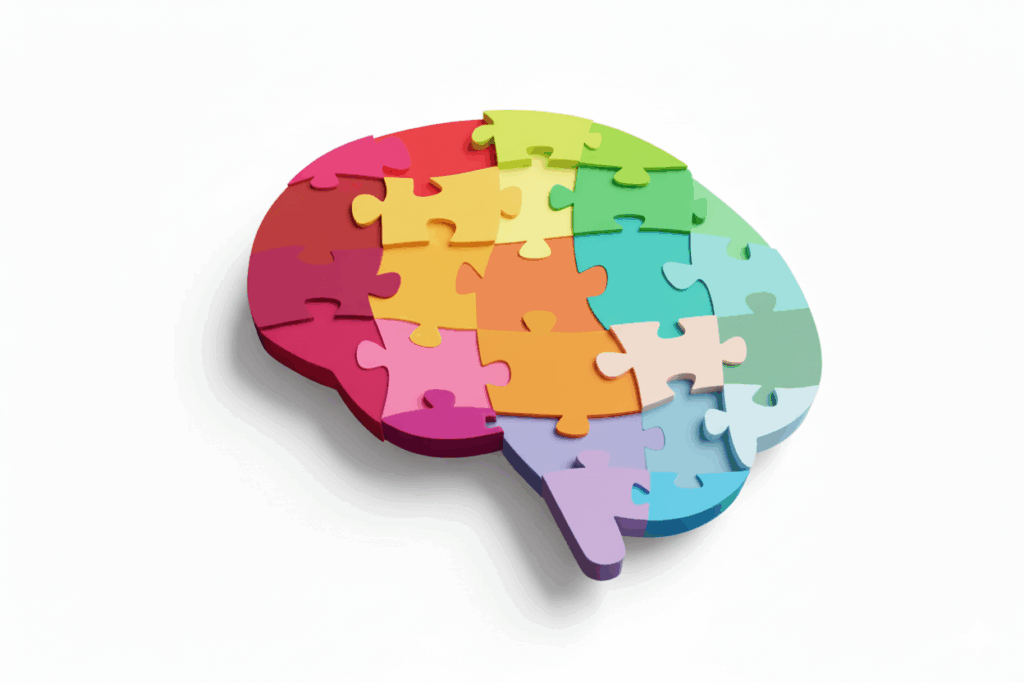
The Autistic Neurotype is defined by a difference in how the brain processes information. This is not a deficit, but a variation in cognitive style.
The Difference in Processing: The Autistic brain often processes sensory and social information more literally, intensely, and deeply. This is not a failure to process, but a difference in processing speed and style, which can lead to communication mismatch—often called the “double empathy problem.”
The Spectrum: Clarifies that ASD is a spectrum of differences, meaning every Autistic person is uniquely affected, and support must be highly individualized based on their unique profile of strengths and challenges.
I
DIFFERENCES
Core Areas of Difference
This section outlines the primary ways Autism manifests, moving away from symptom-listing to focus on the characteristics of Autistic functioning.
Communication & Social Reciprocity: Differences include using highly precise, literal language; challenges interpreting neurotypical non-verbal cues (like sarcasm or subtle facial expressions); and a common preference for deep, direct communication over neurotypical small talk.
Sensory Processing Variations: This is critical for accommodation. We define both hypersensitivity (over-response to stimuli, like noise or bright lights) and hyposensitivity (under-response, e.g., high pain tolerance or constant movement), emphasizing that the environment must be adapted to these needs.
Repetitive Behaviors & Deep Focus: Stimming (self-regulatory movements) are reframed as necessary coping mechanisms for managing sensory input or excitement. Highlights the immense value of deep, focused interests for learning, motivation, and potential career paths.
I
SUPPORT
Evidence-Based Support Strategies
This section details the practical, therapeutic interventions, focusing on functional goals and skill-building.
Occupational Therapy (OT) & Sensory Integration: Focuses on how OT helps individuals regulate their sensory systems and acquire independence in Activities of Daily Living (ADLs), such as grooming, dressing, and planning, through tailored supports.
Speech-Language Pathology (SLP) & Functional Communication: Emphasizes support for social-pragmatic skills, and the vital role of Augmentative and Alternative Communication (AAC), which helps all Autistic individuals communicate effectively regardless of their verbal abilities.
Neurodiversity-Affirming Behavioral Support: Explains that effective behavioral support focuses on identifying the Function of Behavior (ABC data) and teaching replacement skills to address underlying needs, rather than trying to suppress Autistic traits.
🔒 Safety Alert: Elopement (Wandering): This is a critical safety issue. Implement safety strategies immediately:
- Identification: Ensure your loved one has an ID tag, necklace, or bracelet with emergency contact information.
- Home Security: Invest in extra locks, door chimes, or alarms for exterior doors.
- Community: Teach who is “safe” (police, fire) and consider enrolling in specialized swim classes, as water is a common destination for wanderers.
Your Action Plan & Resources
Finding Professional Support
Use our specialized directory to connect with practitioners: