
Attention-Deficit/Hyperactivity Disorder (ADHD)
Attention-Deficit/Hyperactivity Disorder (ADHD) is a neurodevelopmental difference characterized by persistent patterns of inattention, hyperactivity, and/or impulsivity that interfere with daily functioning and development. As a core component of neurodiversity, ADHD is not a failure of will, but a difference in brain function, particularly in areas governing executive functions (time management, organization, emotional regulation). Our resources focus on understanding this unique brain wiring and providing strengths-based strategies for success across the lifespan.

I
ADHD OVERVIEW
Understanding ADHD
ADHD affects the brain’s ability to regulate attention, behavior, and emotional responses. It is a lifelong condition that typically begins in childhood and often persists into adulthood.
Executive Function: ADHD is fundamentally a challenge with executive function, which refers to a set of mental skills that include working memory, flexible thinking, and self-control. This explains difficulties with organization, planning, prioritizing, and managing time.
Neurobiology and Causes: Research points to differences in brain structure and function, particularly involving neurotransmitters like dopamine and norepinephrine, which regulate attention and motivation. Genetics are the leading cause, often with a strong family history.
Co-occurring Conditions: It is very common for individuals with ADHD to also have other conditions, such as Autism Spectrum Disorder (AuDHD), anxiety, depression, learning disabilities (like Dyslexia or Dyscalculia), or Tourette Syndrome.
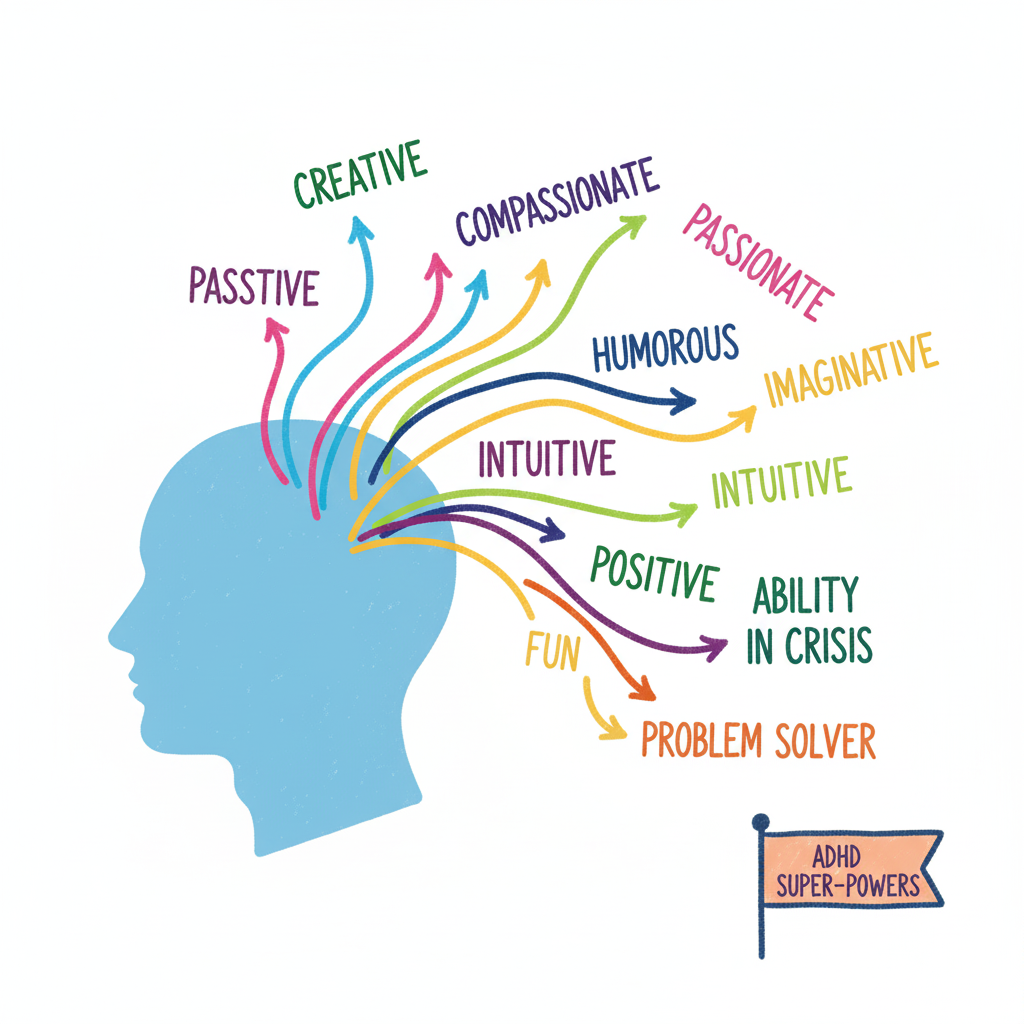
The Neurodiversity Perspective: We recognize ADHD as a natural variation of the human brain. While it presents challenges in a neurotypical world, it is also associated with strengths like hyperfocus, creativity, energy, resilience, and thinking outside the box.
I
PRESENTATIONS
The Three Presentations
ADHD is officially diagnosed based on which symptoms (inattention or hyperactivity/impulsivity) are most dominant for the individual. These are known as presentations.
1. Predominantly Inattentive
Often overlooked, especially in girls and adults. Characterized by disorganization, losing things, forgetfulness, difficulty following instructions, and being easily distracted. Lacks significant hyperactivity.
Core Challenge: Sustained Focus & Organization
2. Predominantly Hyperactive-Impulsive
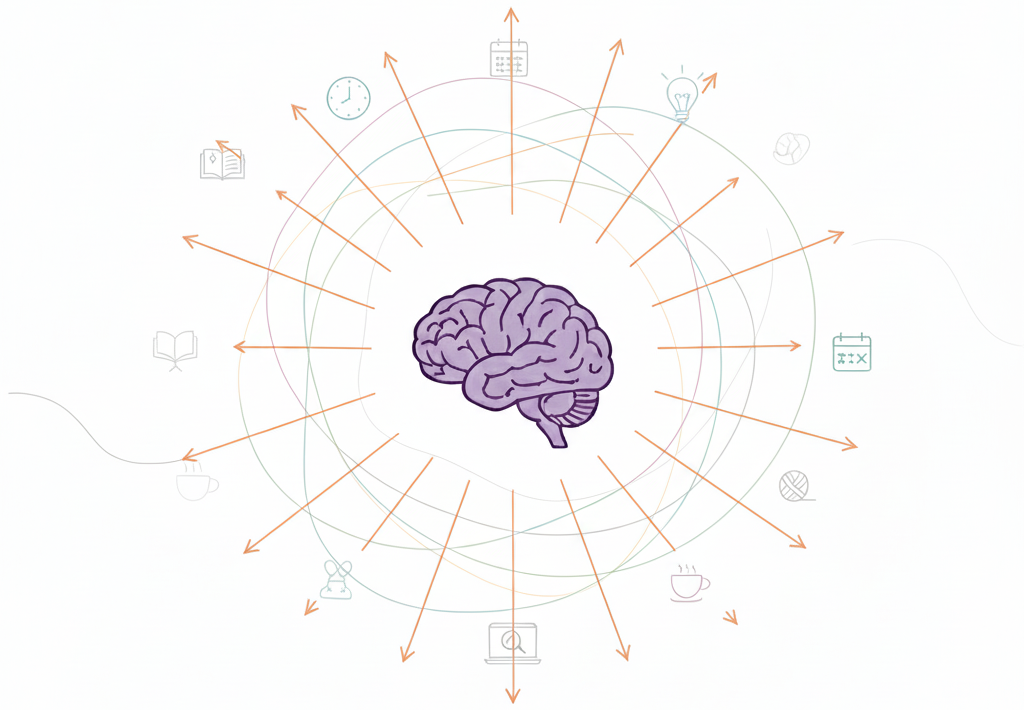
More commonly recognized in younger children. Characterized by fidgeting, excessive talking, restlessness, blurting out answers, interrupting others, and difficulty waiting for turns.
Core Challenge: Self-Control & Inhibition
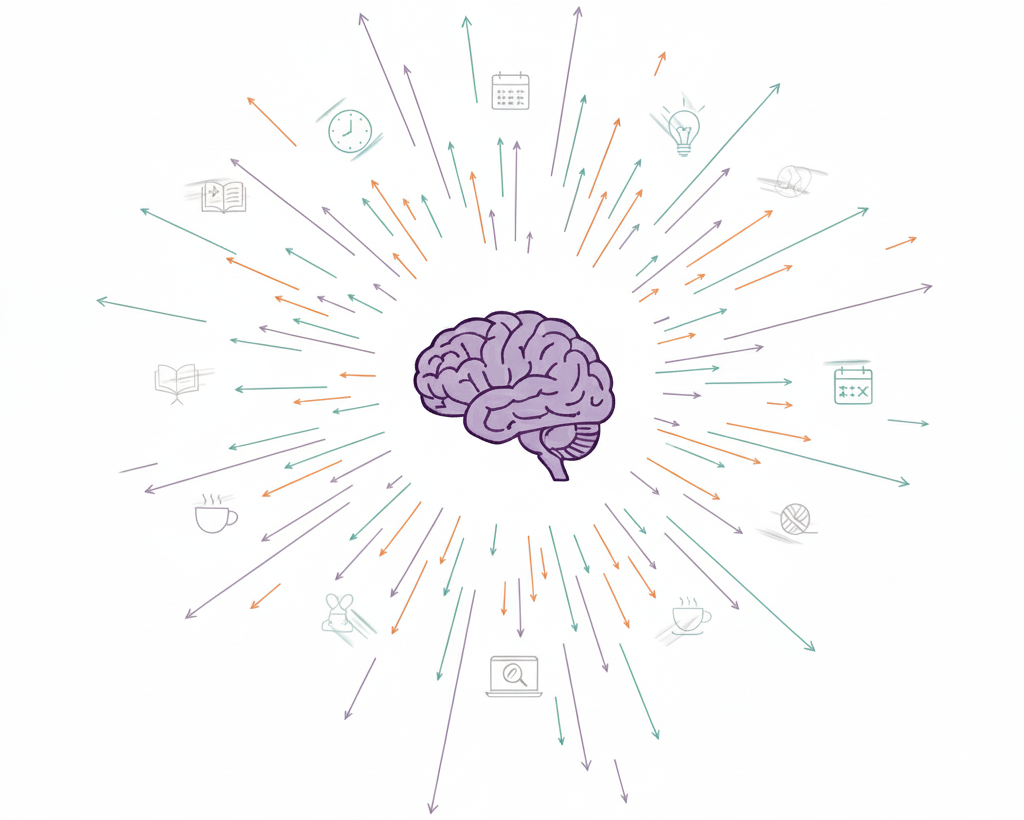
3. Combined Presentation (Most Common)
The individual meets the criteria for both inattention and hyperactivity-impulsivity. Symptoms are equally pronounced across all key areas of functioning.
Core Challenge: Both Focus and Self-Regulation
I
SUPPORT
Strengths-Based Support Strategies
Effective support for ADHD involves creating external structures to compensate for internal executive function challenges, and leveraging the individual’s inherent strengths.
Focus Area
Practical Strategies
Professional Support
Time & Organization
Externalize Time: Use large visual clocks, timers (e.g., Pomodoro Technique), and digital alarms for transitions and task breaks. Structure: Break large tasks into smaller, manageable steps with clear completion cues.
ADHD Coaching: A professional guide to develop and implement personalized organizational and time-management systems.
Learning & Focus
Body Doubling: Working alongside another person (virtual or in-person) can provide passive accountability to maintain focus. Movement Breaks: Incorporate regular, intentional physical activity to manage restlessness and improve subsequent concentration.
Cognitive Behavioural Therapy (CBT): Helps replace negative thought patterns (e.g., related to failure/criticism) with realistic, positive self-talk and helps develop coping skills.
Environment
Minimize Distractions: Use noise-cancelling headphones, create a dedicated, clutter-free workspace, and turn off notifications during high-focus tasks. Visual Cues: Use visual checklists, color-coding, and designated “landing zones” for critical items (keys, wallet).
Therapy/Counselling: Essential for managing common co-occurring conditions like anxiety, depression, and low self-esteem that often result from years of feeling different.
Your Action Plan & Resources
Finding Professional Support
Use our specialized directory to connect with practitioners: