
Intellectual & Learning Disabilities
Intellectual Disability (ID) and Learning Disabilities (LD) are distinct but often co-occurring neurodevelopmental differences that affect how individuals acquire, process, and apply information. While ID refers to significant limitations in both intellectual functioning and adaptive behavior, LDs describe specific difficulties in academic skills (reading, writing, math) despite average or above-average intelligence. We recognize both as integral components of the neurodiversity spectrum, focusing on tailored educational strategies, assistive technologies, and comprehensive support to foster personal growth, academic success, and independence across the lifespan.
I
Intellectual Disability
Understanding Intellectual Disability (ID)
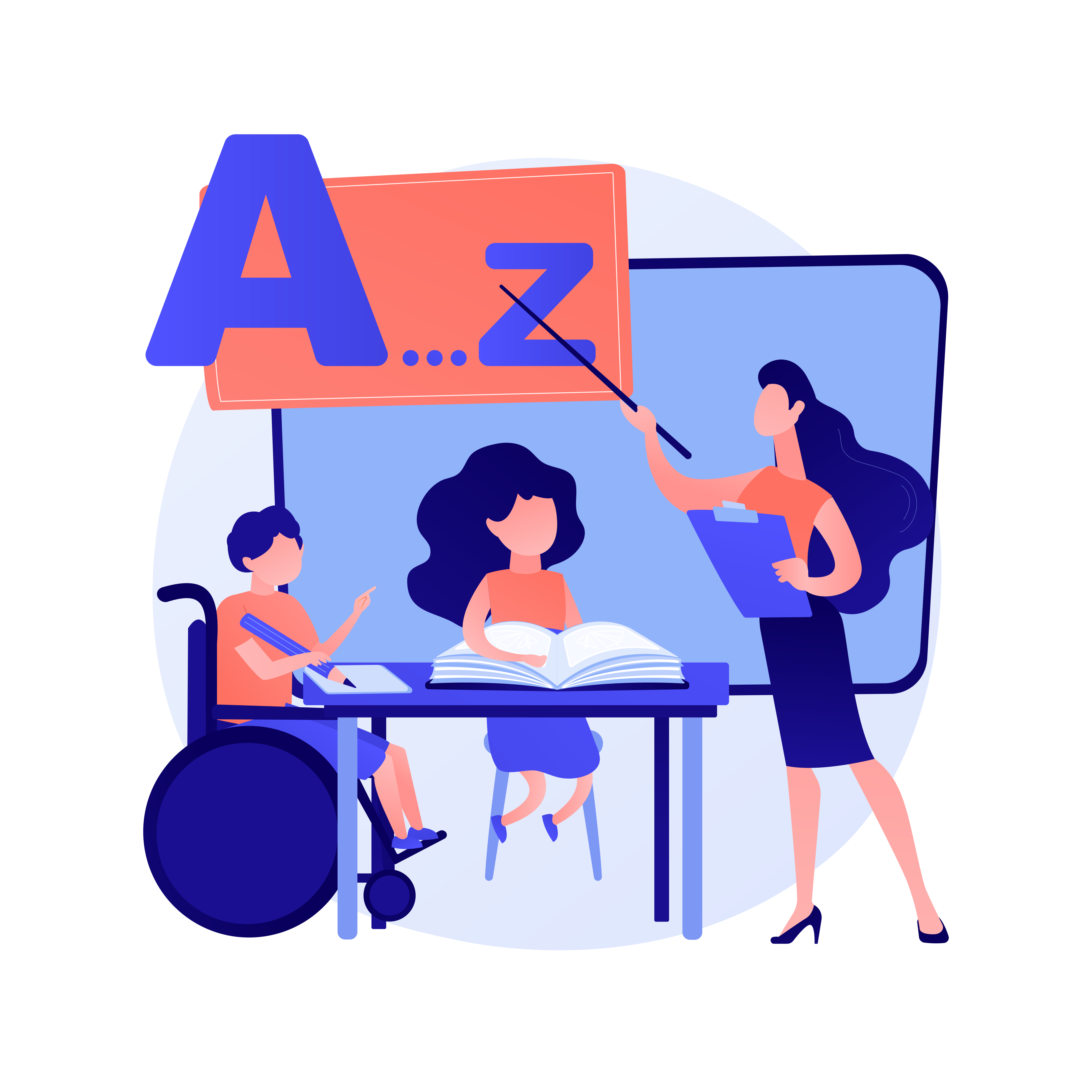
Intellectual Disability (formerly Mental Retardation) is a developmental condition characterized by significant limitations in both intellectual functioning (reasoning, problem-solving, planning) and adaptive behavior (conceptual, social, and practical skills).
Criteria for Diagnosis: ID is diagnosed when a person has:
An IQ score of approximately 70 or below.
Significant limitations in adaptive functioning (how well a person handles common life demands and lives independently) across conceptual (language, money), social (interpersonal skills), and practical (personal care, job skills) domains.
Onset of these limitations before the age of 18.
Causes: While often unknown, ID can result from genetic conditions (e.g., Down Syndrome, Fragile X Syndrome), complications during pregnancy/birth (e.g., lack of oxygen, infections), or exposure to environmental toxins.
Levels of Support: ID is classified by the level of support required, not just IQ:
Mild: May learn academic skills up to a 6th-grade level, live independently with support.
Moderate: May learn basic communication and self-care, require supervised living.
Severe/Profound: Requires significant support in all areas of daily life.
Strengths-Based Approach: Despite challenges, individuals with ID possess unique strengths, including strong social engagement, practical skills, and a capacity for learning when provided with tailored, consistent instruction. We focus on maximizing these inherent abilities.
I
Learning Disabilities
Understanding Learning Disabilities (LD)
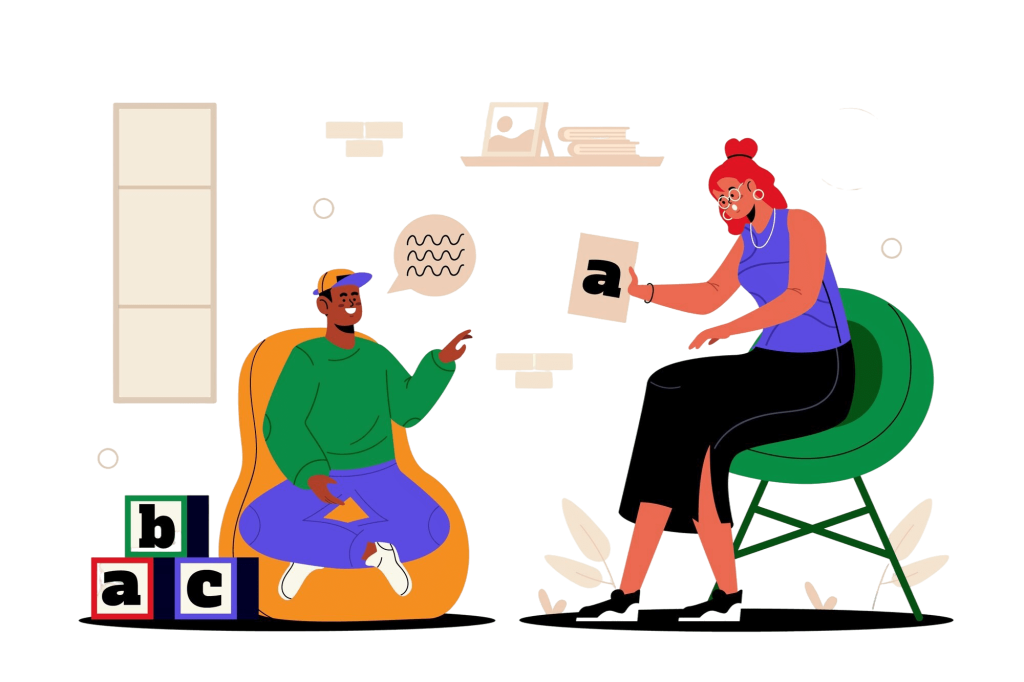
Learning Disabilities are neurological conditions that affect the brain’s ability to receive, process, analyze, or store information, leading to specific difficulties in academic skills. Importantly, LD is not related to a lack of intelligence or motivation.
Specific Learning Difficulties: LDs manifest in various ways, often impacting core academic areas:
Dyslexia: Difficulty with accurate and/or fluent word recognition, spelling, and decoding (reading).
Dysgraphia: Difficulty with writing, including handwriting, spelling, and organizing ideas on paper.
Dyscalculia: Difficulty with understanding and performing math concepts, number sense, and calculations.
Processing Deficits: Problems with auditory processing (interpreting sounds) or visual processing (interpreting images).
Diagnosis: LDs are typically identified through comprehensive psychoeducational assessments that compare a person’s intellectual ability with their academic performance.
Common Co-occurrence: LDs frequently co-occur with other neurodevelopmental conditions like ADHD, Autism Spectrum Disorder, and anxiety. Effective support requires addressing all co-occurring conditions.
Strengths & Talents: Individuals with LDs often have average to superior intelligence and demonstrate exceptional talents in other areas, such as creativity, problem-solving, spatial reasoning, visual arts, or entrepreneurship.
I
SUPPORT STRATEGIES
Inclusive Education & Support Strategies
Effective strategies focus on individualized support, accommodations, and leveraging strengths to promote learning and independence for both ID and LD.
Focus Area
Practical Strategies
Professional Support
Instructional Methods
Repetition & Concrete Examples: Use hands-on, multi-sensory approaches. Break tasks into tiny, sequential steps (task analysis). Heavy reliance on visual aids and modeling.
Multisensory Teaching: Engage multiple senses (sight, sound, touch, movement) for reading, writing, and math. Use structured, explicit, and systematic instruction.
Accommodations
Simplified Language: Use short sentences, direct instructions. Provide extended time for processing and task completion. Teach life skills in natural settings (e.g., community-based instruction).
Alternative Formats: Provide audiobooks, digital text with text-to-speech, scribes for writing. Use graphic organizers for planning. Extended time for tests, reduced distractions.
Assistive Technology (AT)
Visual Schedules: Picture boards for routines. AAC Devices: Picture Exchange Communication Systems (PECS) or speech-generating devices for communication. Adaptive tools for daily living.
Digital Tools: Spell checkers, grammar checkers, dictation software (speech-to-text), word prediction software. Specialized calculators, math manipulatives.
Social-Emotional Support
Foster peer relationships, teach social skills explicitly through modeling and role-playing. Develop self-advocacy skills at an age-appropriate level.
Build self-esteem through recognizing strengths. Teach self-advocacy skills (how to ask for accommodations). Provide strategies for managing frustration and anxiety.
Your Action Plan & Resources
Finding Professional Support
Use our specialized directory to connect with practitioners: