Start a chat to learn, discover, or get assistance.
Or try one of these topics:
Related Topics
Edit Template
Adaptive Recreation & Sports Guides
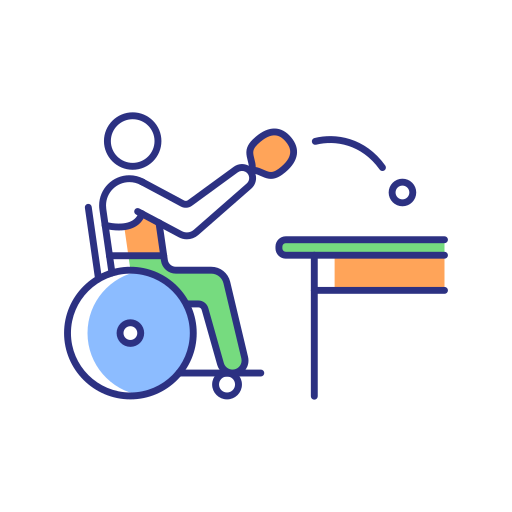
Adaptive Recreation and Sports are essential components of holistic well-being, promoting physical health, fine and gross motor skills, social integration, and self-esteem for neurodiverse individuals across the lifespan. This guide connects therapeutic goals with fun, accessible physical activities, and community programs.
Activity Guides & Adaptation Strategies
Adaptive strategies focus on modifying the environment, rules, or equipment to match the individual’s unique profile of strengths and challenges.
Adaptive Games / Sports
Modify rules (e.g., allow extra bounces, use larger balls) to promote participation over competition. Includes adapted basketball, soccer, or athletics.
Therapeutic Focus
Motor Skill (Gross & Fine), Coordination, Social Skills
Recreation (Play)
Incorporate therapy balls, resistance bands, and balance boards into fun activities. Ensure play is intentional (e.g., using puzzles to improve problem-solving and fine motor skills).
Therapeutic Focus
Fine Motor, Problem-Solving, Executive Function
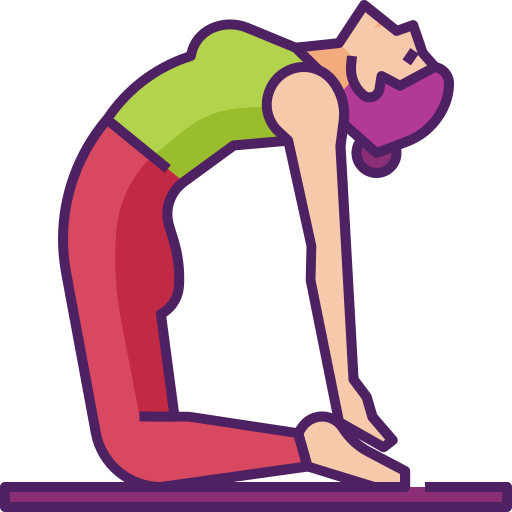
Gymnastics / Yoga
Focus on building core strength and body awareness (proprioception). Use clear visual examples and sequential steps for movements.
Therapeutic Focus
Balance, Strength, Coregulation, Sensory Input
Aquatic Therapy / Swimming
Focus on water safety and using flotation devices for support. The water’s buoyancy is excellent for gross motor skills and joint support.
Therapeutic Focus
Motor Skill (Gross), Hypotonia, Safety, Relaxation
Dance / Movement Therapy
Use structured movement and music to aid in motor planning, coordination, and rhythm. Music engages multiple areas of the brain for communication and emotional regulation.
Adaptive activities are intentionally modified to allow individuals with various abilities to participate fully, ensuring that physical activity is inclusive and empowering.
Motor Skill Development
Physical activity improves both fine motor skills (like hand-eye coordination for a catch) and gross motor skills (like balance and strength for running or swimming).
Neuro-Specific Benefits:
Activities can be leveraged as sensory input to aid in regulation and are vital for managing conditions like Cerebral Palsy and Down Syndrome to improve mobility and combat low muscle tone (hypotonia).
Social & Emotional Growth
Participation in groups fosters peer relationships and social skills, while promoting emotional regulation and boosting self-esteem.
Your Action Plan & Resources
Finding Local Programs
Connecting with specialized organizations and therapists is the best way to find local inclusive sports leagues, adapted physical education (APE) classes, or community recreation centers with specialized equipment.
Find Adaptive Sports Programs
Key Equipment and Assistive Devices
Many activities rely on specialized equipment to ensure safety and full participation. Find resources for acquiring or borrowing adaptive gear.
Consult with a Physiotherapist or Occupational Therapist to integrate these activities into your personalized therapy plan, maximizing skill transfer to daily living.