

Co-occurring Conditions (Comorbidity) & Mental Health
In the world of neurodiversity, having one condition often means having others. A co-occurring condition (or comorbidity) is when two or more conditions exist in the same individual. For individuals and caregivers in the Andy Speaks Africa community, this overlap is the norm, not the exception. We emphasize a holistic approach to care that addresses the complex interplay between primary neurodevelopmental differences, associated medical conditions (like Epilepsy or GI issues), and the prevalent mental health challenges—such as anxiety, depression, and low self-esteem—that often arise from navigating a world not designed for neurodivergent individuals.
I
COMORBIDITY OVERLAP
Understanding Comorbidity: The Overlap
Co-occurrence is not random; many neurodevelopmental differences share underlying genetic and neurological pathways, meaning a diagnosis of one condition significantly increases the likelihood of others.
Primary Condition
Highly Co-occurring Neurodevelopmental/Medical Conditions
Autism (ASD)
Intellectual Disability (ID), ADHD (resulting in AuDHD), Epilepsy, Anxiety, Depression, Gastrointestinal Issues (GI).
ADHD
Autism (AuDHD), Anxiety, Learning Disabilities (Dyslexia, Dyscalculia), Sleep Disorders, Substance Use Disorder.
Intellectual Disability (ID)
Epilepsy, Cerebral Palsy, Autism (ASD), Anxiety, Speech and Language Disorders, Genetic Syndromes (e.g., Down Syndrome).
Cerebral Palsy (CP)
Intellectual Disability, Epilepsy, Vision/Hearing Impairment, Speech-Language Disorders.
Epilepsy
Autism (ASD), Intellectual Disability, ADHD, Anxiety, Depression.
Diagnostic Challenge: Symptoms often mask or mimic one another. For instance, anxiety (a mental health condition) can present as a meltdown (an Autism trait) or severe inattention (an ADHD trait). This complexity requires specialized, dual-diagnosis expertise.
The Stress of Being Different: Mental health conditions like anxiety and depression often develop as secondary issues—a direct result of years of masking, executive function failure, social exclusion, and receiving constant negative feedback (known as minority stress or cumulative trauma).
I
MENTAL HEALTH IMPACT
The Mental Health Impact
Mental health issues are often overlooked in the neurodiverse population, leading to misdiagnosis or inadequate treatment. Prioritizing mental wellness is a non-negotiable component of comprehensive care.
Mental Health Challenge
Neurodiversity Context & Presentation
Anxiety Disorders
Very common, often manifesting as intense sensory sensitivities, extreme resistance to change (Rigidity), or school refusal. Can be triggered by social situations or sensory overload.
Depression
Can result from social isolation, academic struggles, or realizing one’s differences. May present differently, sometimes as increased irritability, aggression, or withdrawal.
Obsessive-Compulsive Disorder (OCD)
High co-occurrence, especially with ASD. Often manifests as repetitive behaviors or rituals used to cope with high anxiety or a need for predictability.
Tics & Tourette Syndrome
A frequently co-occurring condition with ADHD and OCD. Tics are involuntary movements or vocalizations that are often exacerbated by stress and anxiety.
Low Self-Esteem
A near-universal risk stemming from continuous comparison to neurotypical peers and internalizing repeated criticism or perceived failures.
I
HOLISTIC ASSESSMENT
Holistic Assessment & Dual Diagnosis
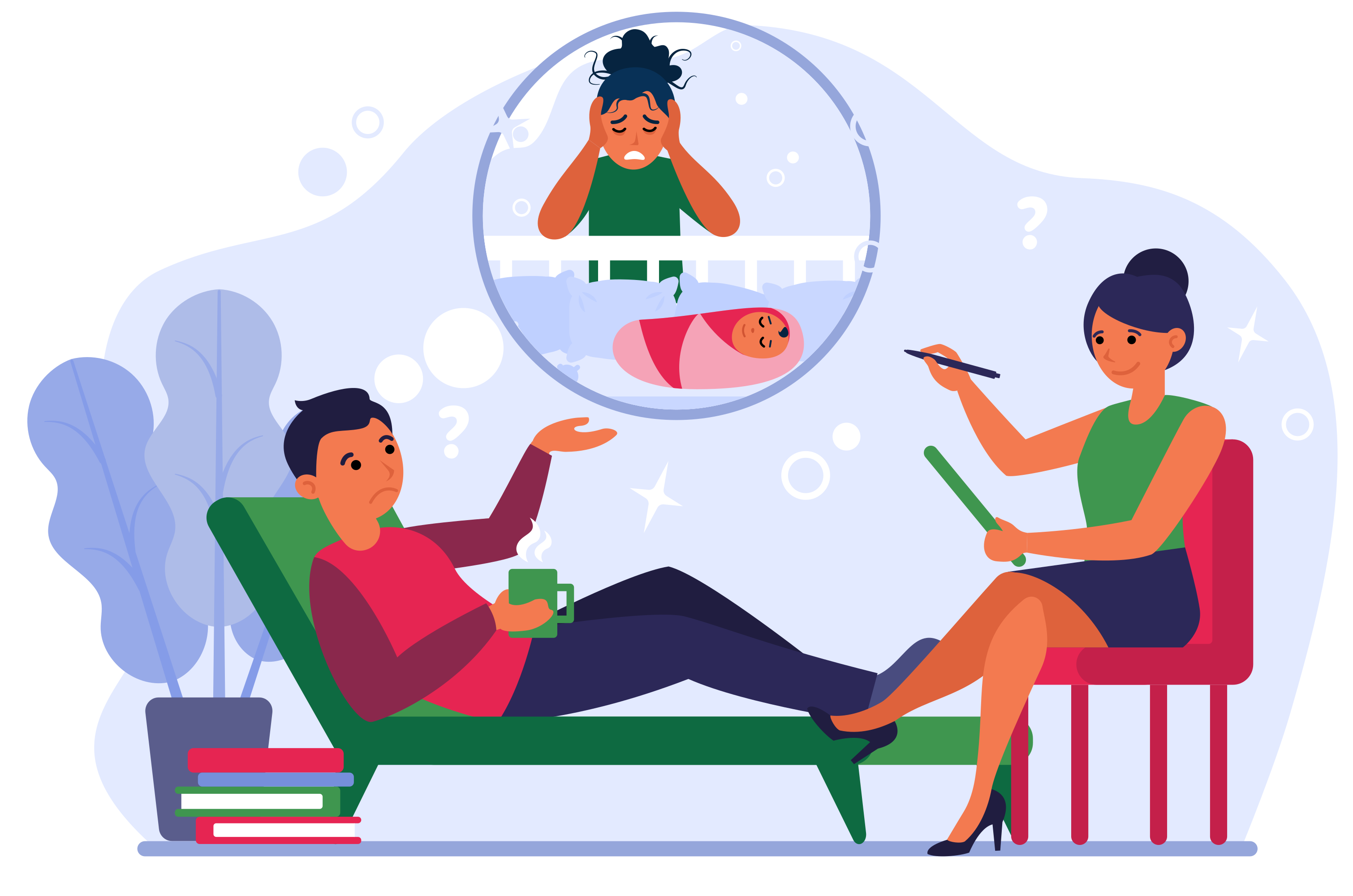
Effective management of comorbidities requires assessment by professionals trained in neurodiversity, capable of separating core condition traits from learned mental health coping mechanisms.
Specialist Evaluation
Always seek a professional (Psychologist or Psychiatrist) who specializes in dual diagnosis within the neurodiverse population. They understand how conditions like Autism or ID can change the presentation of conditions like Depression.
Medication Management
When medication is required for mental health concerns, it must be managed by a psychiatrist with expertise in neurodevelopmental pharmacology, as certain medications can interact with existing anti-seizure or ADHD medications, or have different effects on the neurodiverse brain.
Caregiver Mental Health
The chronic stress of caring for a loved one with complex needs is intense. Caregiver fatigue and burnout are significant risk factors for anxiety and depression in caregivers themselves. Support plans must include structured resources for caregiver well-being.
Your Action Plan & Resources
Finding Professional Support
Use our specialized directory to connect with practitioners: