


Nutrition and mealtime support for caregivers
Eating for Autism: Nutrition and Mealtime Support
Understand your child’s food preferences, support their nutrition and discover practical ways to make mealtimes more comfortable.
This page helps caregivers explore everyday strategies and prepare for conversations with qualified professionals. It is not medical or dietary advice.
Based on, and clearly separate from, a 2009 book. The page offers its own summaries and does not promise improvements in speech, behaviour or learning.
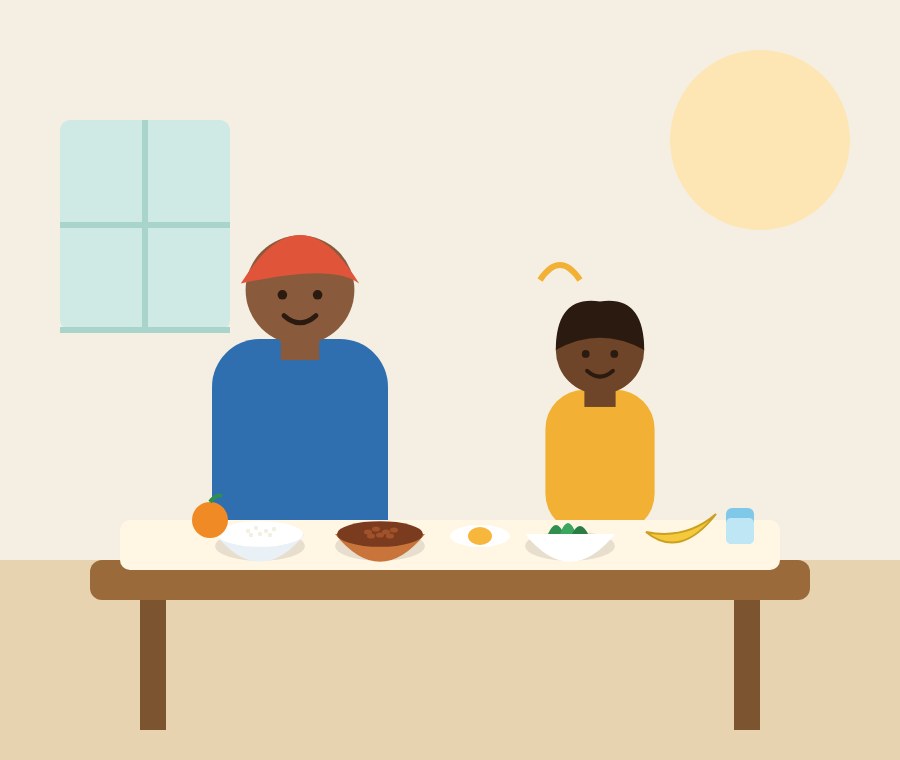
Illustration created for this page
FOOD PREFERENCES
Start by Understanding Your Child
Eating can be influenced by textures, smells, temperature, how food is presented and daily routines. Food choices are not stubbornness or bad behaviour. Some children also need assessment for discomfort or feeding difficulties.
Sensory comfort
Textures, smells, temperature and the way food looks can affect eating. Notice which food qualities feel manageable to your child.
Predictability
Familiar presentation and routines may help. Many children like to know what is on the plate and what comes next.
Physical comfort
Pain or ongoing difficulty with eating deserves attention. It can be worth asking a health professional whether something is making eating uncomfortable.
NHS guidance recognises sensory differences around food and recommends a relaxed approach to introducing new foods.

Illustration created for this page
Progress can begin with feeling more comfortable around food. Every child’s pace is different.
PRACTICAL SUPPORT
Small Changes That Can Make Mealtimes Easier
Choose what suits your child, and stay flexible.
- Adapt the setting. Adjust noise, lighting and seating to what feels comfortable.
- Explain what is happening with words, pictures or a familiar routine.
- Offer manageable portions so the plate does not feel overwhelming.
- Give choices where possible, such as choosing a plate or helping prepare food.
- Allow exploration at their pace. Looking, smelling or touching does not have to lead straight to tasting.
- Try similar textures or flavours when introducing something unfamiliar.
NHS occupational therapy guidance supports adapting expectations, involving children in food preparation and working within their sensory tolerance. Please avoid forcing food, withholding foods your child accepts, ignoring distress or hiding ingredients.
NUTRITION
Supporting Nutrition, One Manageable Step at a Time
Nutrition is about variety, nourishment and drinking enough. Needs, preferences, allergies and feeding abilities differ, so use these as ideas to discuss.
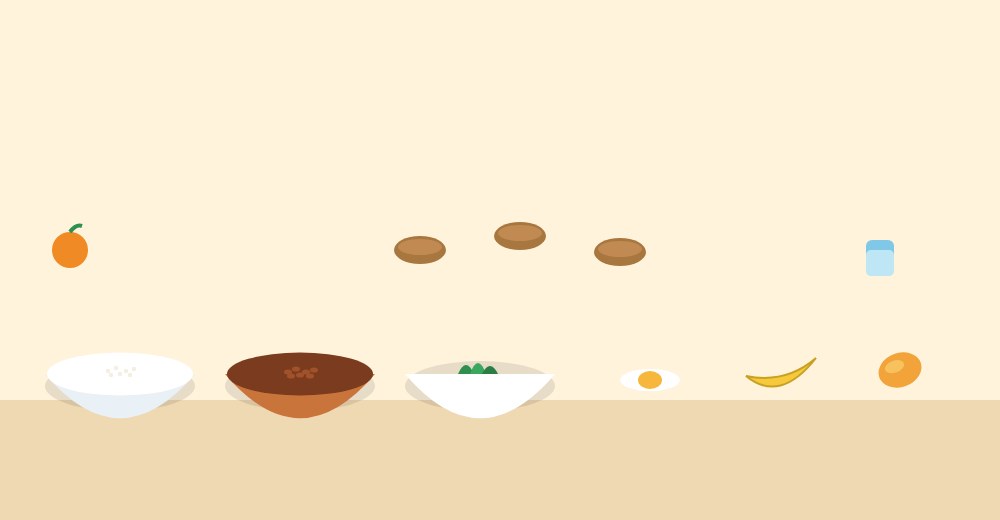
Illustration created for this page
Variety
Offering a range of familiar foods, such as rice, beans, ndengu, eggs, vegetables and fruit, can be one way to bring in different nutrients.
Nourishment
Think about what your child already enjoys and eats well, and build from there at a pace that feels comfortable.
Hydration
Make drinking water easy and appealing, for example with a favourite cup. Ask a professional if you are unsure whether intake is enough.
When to get professional help. A very limited diet or concerns about growth warrant professional assessment. NICE recommends assessing feeding, growth and nutritional difficulties and referring when needed.
DIETS AND SUPPLEMENTS
Before Changing Diets or Adding Supplements
Brief and factual: speak to a professional first.
Talk to a clinician or dietitian
Discuss any restrictive diet or supplement first, and keep checking that your child is still getting what they need.
Evidence is limited
Evidence for diets and supplements as autism treatments is uncertain or mixed. Food and supplements are not a cure.
Why restrictive diets need professional guidance
Nutritional needs are individual. Cutting out whole food groups can affect growth and nutrition, so any restrictive diet should be discussed with a qualified clinician or dietitian, with nutritional adequacy monitored.
What current guidance says about exclusion diets
NICE guidance advises against exclusion diets, such as gluten-free or casein-free diets, for managing the core features of autism. If a child has a diagnosed allergy or intolerance, their clinician will advise on its management.
Supplements and the evidence
NCCIH describes the evidence for several dietary approaches and supplements as uncertain or mixed. Omega-3 products, probiotics and other supplements should not be seen as established autism treatments. Check with a professional before and during any special diet or supplement.
What this page does not reproduce from the book
The 2009 book includes high-dose vitamin and mineral programmes, detoxification and laboratory-testing material. NeuroReHub does not reproduce these as instructions, and they should not be started without professional advice.
PREPARE
Make Your Next Appointment More Useful
Take these questions with you. This is a checklist to read, not a form to fill in.
- Could discomfort or feeding skills be affecting eating?
- Is my child’s current food intake meeting their needs?
- Would a dietitian or feeding specialist help?
- Which changes should we prioritise?
- How will we review progress?
What to bring
- A description of the foods your child accepts
- Mealtime difficulties you have noticed
- Relevant symptoms
- Any medicines or supplements already used
THE ORIGINAL RESOURCE
About the Original Book
A reference from 2009. The full book is available from its publisher.
Eating for Autism
By Elizabeth Strickland, with Suzanne McCloskey. Recipes by Roben Ryberg.
Published 2009
What the book covers
- Nutrition basics and feeding difficulties
- Supplements and elimination diets
- Gluten- and casein-free recipes
- Appendices, including choosing a registered dietitian and nutrient sources
Read it in context
The book reflects the time it was published. Its recommendations should be considered alongside current professional guidance, and several are not endorsed by this page.
Further guidance (international)
- NICE: autism in under 19s (UK)
- NHS trust information sheet on sensory food aversion (UK)
- NCCIH: autism and complementary health approaches (US)
These are international sources. They do not endorse NeuroReHub.
NEXT STEPS
You Don’t Have to Work It Out Alone
Explore related pages on this website, and speak with your child’s care team.