
Epilepsy & Seizure Disorders
Epilepsy is a chronic neurological condition characterized by recurrent, unprovoked seizures, which are brief episodes of abnormal electrical activity in the brain. As a part of the broader neurodiversity spectrum, we approach Epilepsy not merely as a medical disorder but as a difference in brain function that profoundly impacts cognitive, behavioral, and motor control. Our focus is on providing robust safety protocols, understanding the high co-occurrence with conditions like Autism (ASD) and ADHD, and leveraging assistive technology to ensure safety and quality of life.
I
OVERVIEW
Understanding Epilepsy & Seizures
Epilepsy is defined by having two or more unprovoked seizures, or one unprovoked seizure with a high risk of recurrence. It is a disorder that exists on a spectrum, varying widely in severity and presentation.
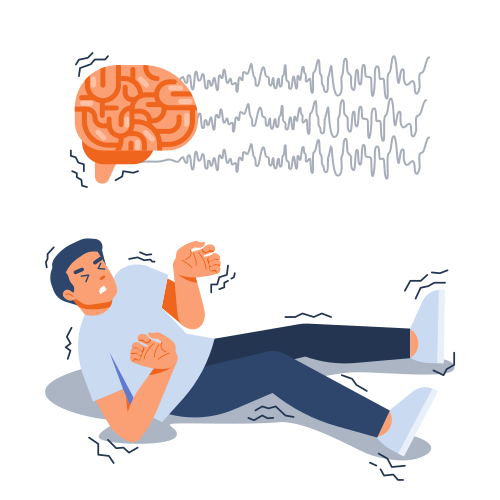
- The Seizure: A seizure is a temporary surge of electrical activity in the brain. The symptoms—from brief staring spells to full-body convulsions—depend entirely on where in the brain the electrical disturbance begins and how far it spreads.
- Causes and Etiology: While the cause is unknown (idiopathic) for about half of cases, known causes include genetic factors, stroke, head trauma, infectious diseases (like meningitis), brain tumors, and congenital brain malformations.
- Co-occurring Neurodevelopmental Conditions (Comorbidity): There is a significant overlap between Epilepsy and other neurodevelopmental conditions. Individuals with Autism Spectrum Disorder (ASD), Intellectual Disability, and ADHD have a notably higher rate of Epilepsy. This overlap suggests shared underlying genetic and neurobiological mechanisms.
- The Spectrum Perspective: We recognize that for many, the associated cognitive and psychiatric comorbidities (anxiety, depression, learning difficulties) can be more impactful than the seizures themselves. Comprehensive care must address the whole person, not just the seizure activity.
I
TYPES
Classifying Seizure Types
The International League Against Epilepsy (ILAE) classifies seizures based on where they begin in the brain (onset) and the person’s level of awareness.
Onset Type
Description
Key Manifestations
Focal Onset
Starts in one area or one side of the brain.
Focal Aware: Consciousness is preserved. May involve jerking, sensory changes (aura), or emotional feelings. Focal Impaired Awareness: Consciousness/awareness is affected. May involve automatisms (lip-smacking, picking at clothes), confusion, or inability to respond.
Generalized Onset
Affects both sides of the brain simultaneously.
Motor (Tonic-Clonic): The classic “Grand Mal” seizure. Sudden stiffening (Tonic) followed by rhythmic jerking (Clonic). Non-Motor (Absence): The classic “Petit Mal” seizure. Brief staring spells, eyelid fluttering, or minor chewing movements.
Unknown Onset
The beginning of the seizure is not known or observed (e.g., when seizures occur during sleep).
May later be re-classified once more information is gathered. Includes initial motor spasms or behavior arrest.
I
SUPPORT
Management & Non-Medication Support
While Anti-Seizure Medications (ASMs) are the primary treatment, non-pharmacological and lifestyle management is crucial for reducing seizure frequency and improving quality of life.
Risk Reduction & Safety
Practical Strategies (Daily Living)
- Home Adaptation: Pad sharp corners, use showers instead of baths, install outward-opening bathroom doors.
- Medical ID: Wear a bracelet or carry an ID card noting the condition.
Professional Support (Andy Speaks Hub Link)
- Assistive Devices: Explore seizure alert devices, bed alarms, and wearable technology that detects tonic-clonic movement and sends alerts.
Triggers & Wellness
Practical Strategies (Caregiver/Educator)
- Seizure Diary: Track time, duration, and potential triggers (stress, poor sleep, certain lights, missed medication).
- Sleep Hygiene: Ensure 7-9 hours of consistent, quality sleep.
Professional Support (Andy Speaks Hub Link)
- Therapy/Counselling: Essential for managing stress, anxiety, and depression. CBT can help manage associated negative thought patterns. E-learning modules on stress reduction.
Medical Management
Practical Strategies (Caregiver/Educator)
- Consistency: Take ASMs exactly as prescribed; never stop or change dosage without a doctor’s consultation.
Professional Support (Andy Speaks Hub Link)
- Nexus Therapy Centre: Consultations for specialized dietary therapies (like the Ketogenic Diet) or evaluation for device-based therapies (Vagus Nerve Stimulation – VNS).
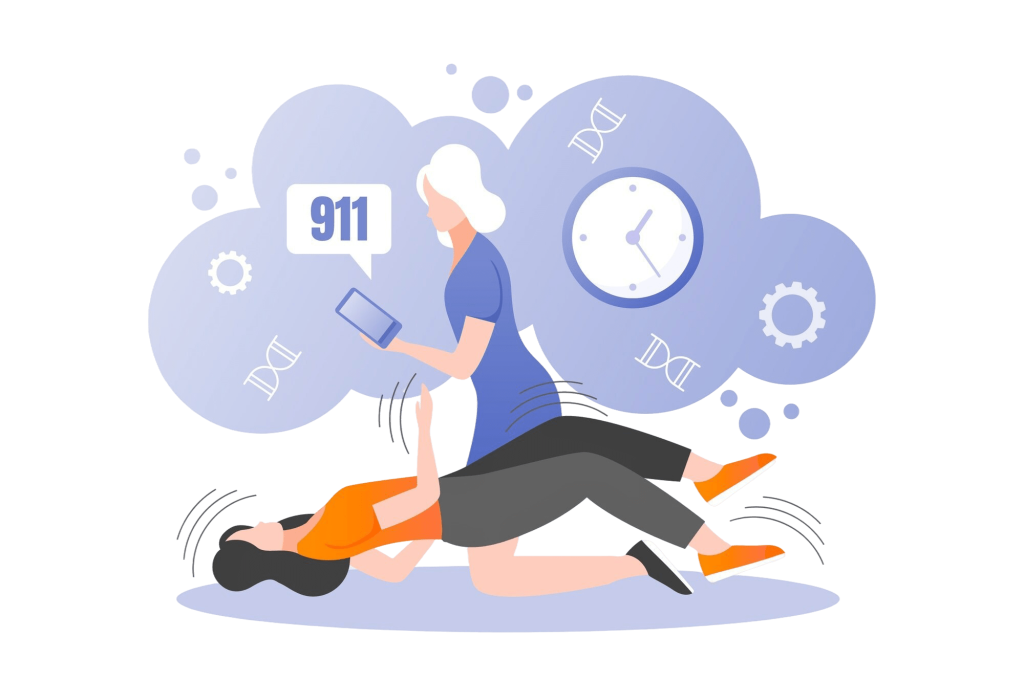
Seizure First Aid & Action Plan
Knowing what to do during and immediately after a seizure is critical for safety. Always follow the person’s established Seizure Management Plan if one is available.
🚨 DO: PROTECT, POSITION, and TIME
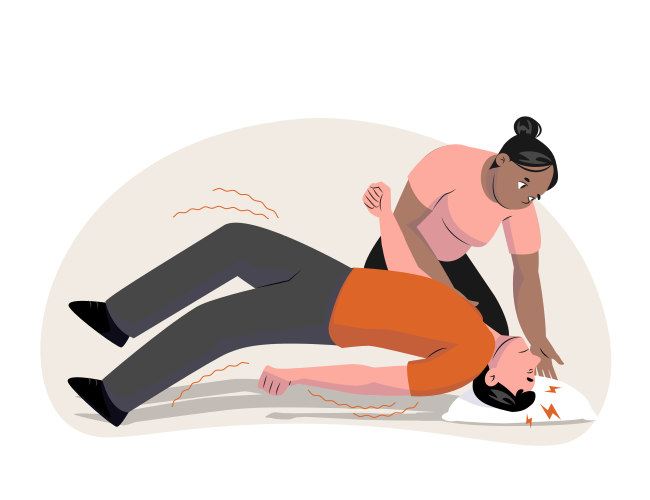
- Protect: Ease the person to the floor and remove any hard or sharp objects nearby. Place something soft and flat (like a folded jacket) under their head.
- Position: Turn the person gently onto their side (the recovery position) as soon as the active jerking stops to keep the airway clear.
- Time: Note the time the seizure starts and stops.
- Stay: Remain with the person until they are fully awake and alert. Speak calmly and reassure them.
❌ DO NOT:
- Do not restrain the person’s movements.
- Do not put anything in their mouth (they cannot swallow their tongue).
- Do not offer water, food, or medication until they are fully conscious.
📞 Call Emergency Services (Ambulance):
Call the emergency number immediately if any of the following occur:
- The seizure lasts longer than 5 minutes (this is a medical emergency called Status Epilepticus).
- The person is injured during the seizure.
- The person is pregnant or in water.
- They have another seizure immediately after the first without fully recovering consciousness.
- This is their first known seizure.
Finding Professional Support
Use our specialized directory to connect with practitioners: