


Caregiver Learning & Family Support
WHO Caregiver Skills Training
Support Your Child’s Learning Through Everyday Moments
Discover a programme that helps caregivers support communication, shared activities and everyday skills while caring for their own well-being.
Based on a World Health Organization publication. This website is not affiliated with WHO and WHO does not endorse it.
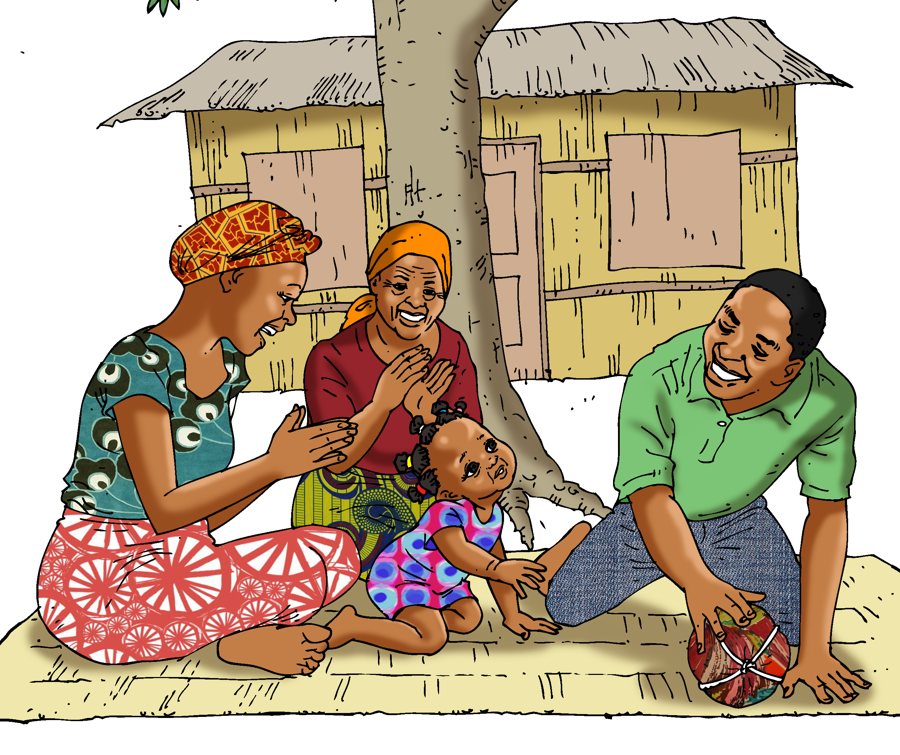
Illustration from NeuroReHub resources
THE PROGRAMME
What is Caregiver Skills Training?
A short introduction before the details.
Caregiver Skills Training, or CST, is a WHO programme for families of children with developmental delays or disabilities. It helps caregivers use everyday activities and play as opportunities for interaction and learning.
This webpage and the PDF are not the complete training course. The course itself is delivered by trained facilitators using WHO’s other materials.
Resource
Introduction to the programme — WHO, 2022
This PDF describes the programme’s structure, content and delivery requirements. It is the introductory publication in the original five-part package.
WHO IT IS FOR
Who the programme is designed for
Developmental differences are not caused by poor parenting. The programme is there to support families.
Caregivers of children aged 2–9
As described in this introduction. The age range can be adjusted slightly to suit a setting.
Families supporting children with developmental delays or disabilities
With a particular focus on social and communication difficulties. Parents, grandparents and other caregivers are all welcome.
No formal diagnosis needed
As WHO designed it, a diagnosis is not required to take part. A developmental delay having been identified is enough.
Professionals and community organisations
They can use the introduction to understand what delivery involves.
Local availability and arrangements vary. Please confirm them with the relevant provider.
WHAT CAREGIVERS LEARN
Five learning areas
These are the programme’s learning areas and aims. Every family and child is different, and no particular outcome is promised.
Shared engagement
Supporting a child’s participation in play and everyday activities.
Communication
Recognising how a child communicates and creating opportunities for interaction.
Everyday skills
Helping children learn useful activities through manageable steps and appropriate support.
Positive behaviour
Learning supportive approaches to difficulties that arise during daily life.
Caregiver well-being
Making space for coping, problem-solving and realistic goals.
HOW THE PROGRAMME WORKS
How the Programme Works
This is WHO’s programme structure. NeuroReHub does not run this course, and no dates, fees, places or facilitators are listed here.
WHO’s programme structure
9 group sessions + 3 individual home visits
Group learning, individual support and everyday practice at home.
Between sessions, caregivers practise skills with their child during everyday activities. WHO describes this home practice as essential. Group sessions typically last 2.5 to 3 hours, and can run weekly or every two weeks.
Session overview
Sessions
Main focus
Sessions
1–2
Main focus
Building and maintaining shared engagement
Sessions
3
Main focus
Play and home routines
Sessions
4–5
Main focus
Recognising and supporting communication
Sessions
6
Main focus
Learning everyday skills in small steps
Sessions
7–8
Main focus
Supporting positive behaviour and responding to difficulties
Sessions
9
Main focus
Caregiver well-being, problem-solving and continued practice
Three home visits
Home visit: Beginning
Before session 1
Understanding the family’s priorities.
Home visit: Middle
Between sessions 5 and 6
Coaching practice.
Home visit: End
After the final session
Planning continued support.
CARING FOR YOU
Your Well-being Matters Too
Support is for caregivers as well as children.
The programme includes caregivers’ own needs, experiences and practical challenges. Learning with support, setting manageable goals and talking about barriers with a facilitator are all part of it.
Caring for a child with additional needs can be demanding. Looking after yourself is not a luxury. It is part of supporting your family.
A moment to reflect
“Which everyday activity would you like to make easier or more enjoyable with your child?”
This is a reflection, not a questionnaire or assessment.
FOR ORGANISATIONS
Interested in Delivering the Programme?
Reading this introduction alone does not qualify anyone to deliver the programme or award certification. Organisations should use WHO’s implementation materials.
Trained and supervised facilitators
The programme is designed to be delivered by trained and supervised facilitators, including appropriately prepared non-specialist providers.
Training and supervised practice
WHO’s suggested approach to preparing facilitators includes classroom training and field experience with a master trainer or supervisor.
Ongoing support
Facilitators are expected to receive ongoing support and supervision, with attention to their own self-care.
Connections to other services
The course is designed to sit within a network of community health, education and social services, so that families can be referred on when needed.
THE DOCUMENT
Read the original introduction
The document is unchanged and opens in a new tab.
Caregiver skills training for families of children with developmental delays or disabilities: introduction
World Health Organization · 2022
PDF · 20 pages · approximately 0.5 MB
© World Health Organization 2022. Some rights reserved. Available under the CC BY-NC-SA 3.0 IGO licence. Please cite WHO as the source, use it for non-commercial purposes and share any adaptation under the same licence. This page does not imply WHO endorsement.
THE WIDER PACKAGE
The original five-part package
WHO’s programme page lists the current materials and learning options.
Introduction
The document on this page.
Adaptation and implementation guide
For organisations adapting and delivering the programme.
Facilitators’ guide
For the people who lead the group sessions.
Participants’ guide
For caregivers taking part.
Home visit guide
For facilitators visiting families at home.
Newer related resource
WHO published additional caregiver well-being guides in May 2026. They are separate from the introduction above.
QUESTIONS
Common questions
Short answers.
Who is this programme for?
Caregivers of children aged 2–9 with developmental delays or disabilities, especially social and communication difficulties. Parents, grandparents and other caregivers are included.
Does my child need a formal diagnosis?
No. As WHO designed it, a diagnosis is not required. Local arrangements may vary, so confirm them with your provider.
Is this PDF the complete course?
No. It is the introduction to a five-part package. The full materials are on WHO’s programme page.
How are caregivers supported during the programme?
Through group sessions with other caregivers, three individual home visits and everyday practice at home, with a facilitator’s coaching.
Where can I find the official materials?
On WHO’s programme page, linked from this page. Local availability depends on the provider.
NEXT STEP
Explore Support for Everyday Learning
Read the introduction, explore WHO’s resources and learn what supported caregiver training can involve.